
How Does a GPS Dog Fence Work?
GPS dog fences use satellite technology to create a wire-free boundary. See how they work, what affects reliability, and whether one is right for your yard.
Published 1/27/2026
Updated 8/5/2026
Choose your location
To make sure you're seeing the correct availability and pricing for products and services, please choose your location:
Please select your local dealer
So that we can provide you with accurate information and subscription options for your area.
GPS dog fences use satellite technology to create a wire-free boundary. See how they work, what affects reliability, and whether one is right for your yard.
Published 1/27/2026
Updated 8/5/2026
GPS dog fences are a newer alternative to traditional underground pet containment systems, and they've grown in popularity thanks to their flexibility and wire-free setup. But how do they actually work? Here's a straightforward explanation of the technology behind GPS dog fences and what to expect from them.
A GPS dog fence relies on the same global positioning system technology used in your smartphone or car's navigation system. A network of satellites orbiting the earth transmits location data, and a GPS-enabled collar worn by your dog receives that data to determine your pet's exact position in real time.
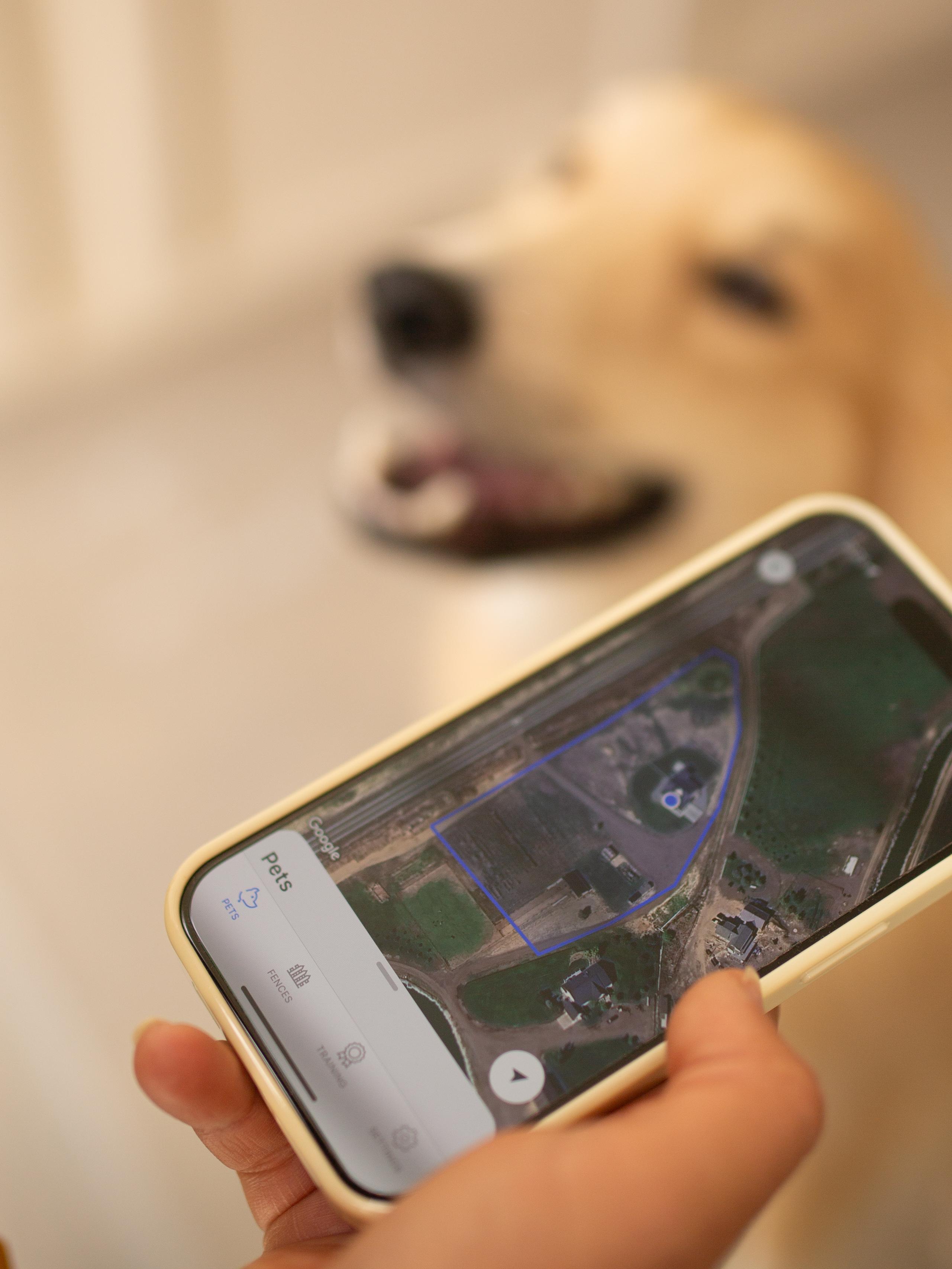
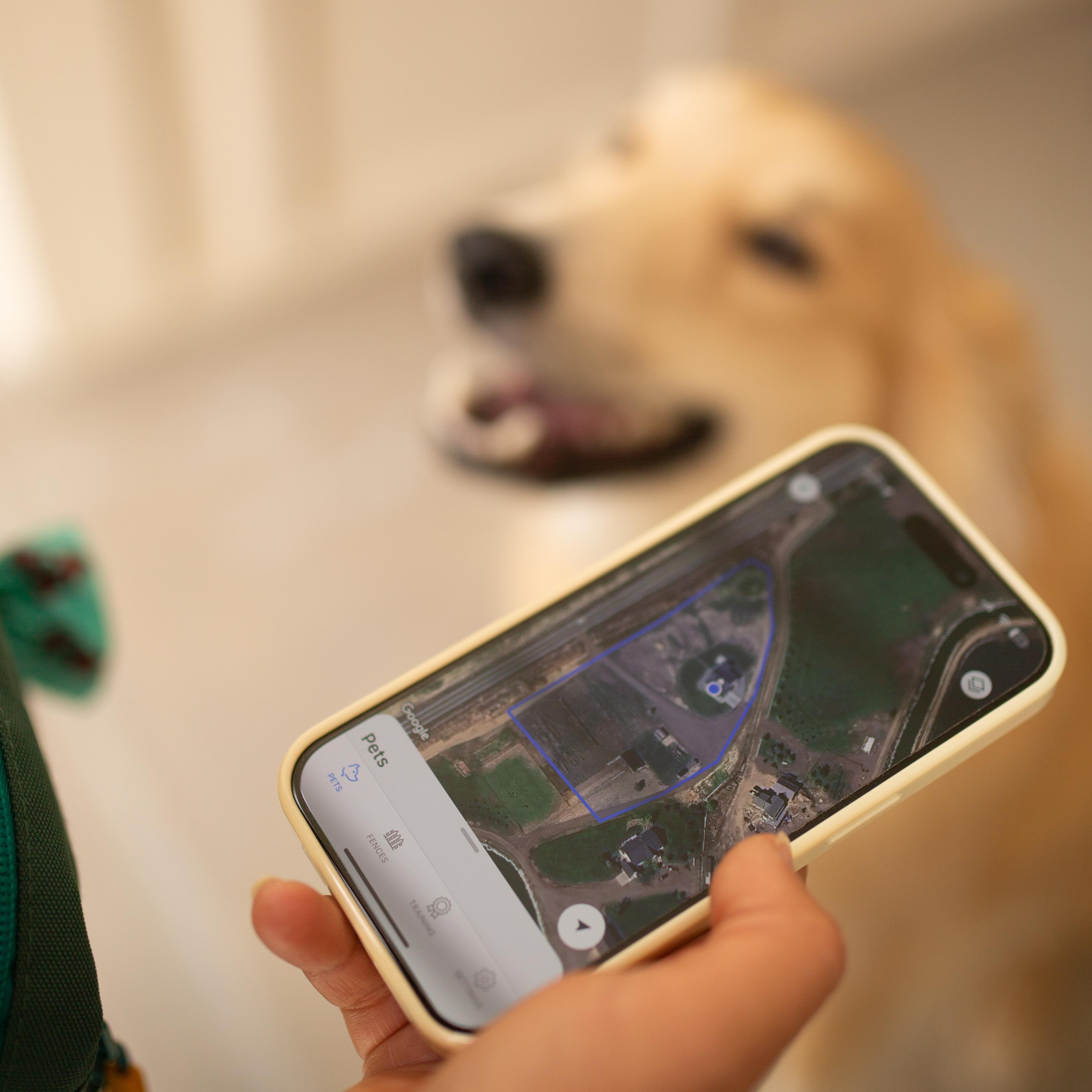
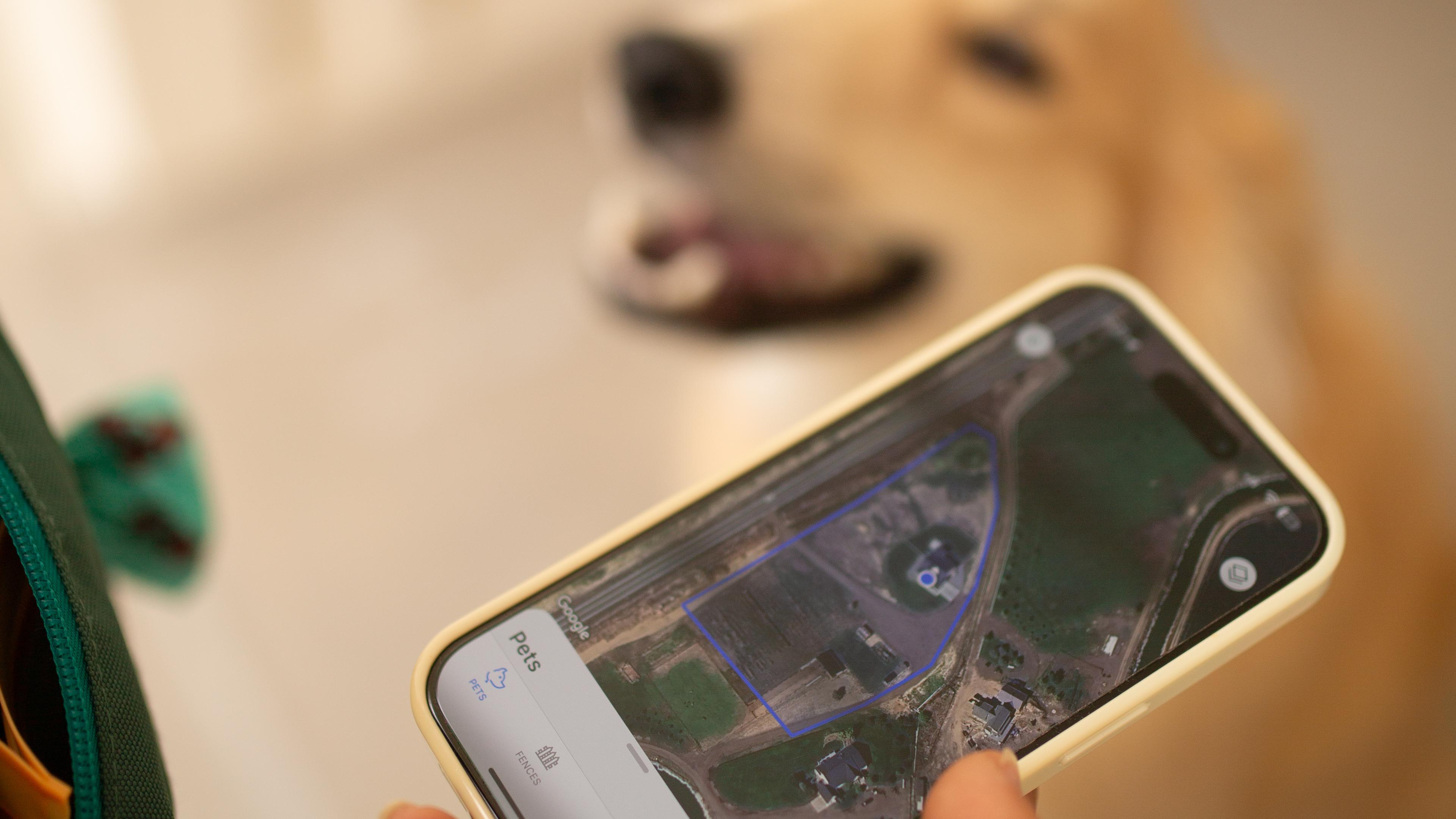
Using an app that connects to the collar, you define a virtual boundary around your property. Once that boundary is set, the collar monitors your dog's GPS coordinates continuously and compares them against the established boundary line.
When your dog approaches the edge of the defined boundary, the collar delivers an audible warning tone.
If your dog continues toward or past the boundary, a static correction is delivered to help reinforce that they've reached their limit. The process is similar to a wired underground fence, except the boundary exists entirely in the digital world rather than being defined by a buried wire.
Because GPS boundaries are not buried wire, they can typically be adjusted, moved, or resized through an app, making them a flexible option for pet owners who travel or have large properties.
One of the key advantages of GPS dog fences over wired systems is real-time location tracking. Depending on the collar's settings, you can get live access to your dog's location. The more often the collar communicates with the satellites, the more accurate your pet's location.
Many GPS fence systems also send escape alerts directly to your phone if your dog crosses the boundary.
GPS dog fences tend to work best on larger properties where a clear, open view of the sky is available. Dense tree coverage, tall buildings, and other obstructions can interfere with satellite signal accuracy, which can affect the reliability of the boundary.
For this reason, GPS fences are generally better suited to open, rural, or suburban properties than densely wooded or urban environments.
Because GPS signals can shift slightly due to satellite positioning, it's important to set the boundary a minimum of 25 feet from any road, body of water, or other hazard to account for potential signal drift.
Most GPS dog fence systems require an ongoing cellular or data subscription to enable real-time tracking, fence adjustments, and app connectivity.
The collar needs to communicate the pet and fence location with the cloud to fully function, similar to the way a smartphone requires a data plan. Some providers include a free trial period with purchase.
A GPS dog fence works by using satellite technology to create a virtual boundary around your property.
Your dog's GPS-enabled collar tracks their location in real time and delivers a warning tone if approaching the boundary followed by a correction to refocus their attention if they continue across the boundary. It's a flexible, wire-free solution that works especially well on larger, open properties, and the real-time tracking gives pet owners added peace of mind wherever they are.