Choose your location
To make sure you're seeing the correct availability and pricing for products and services, please choose your location:
Please select your local dealer
So that we can provide you with accurate information and subscription options for your area.
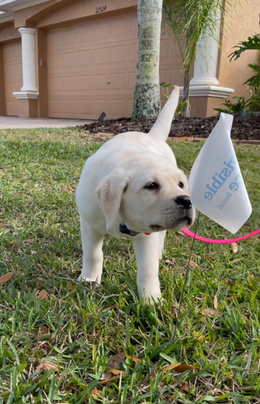
Understanding how the boundary flags, audible tone, and gentle correction work together. (Tone may be turned off based on your pet’s past experiences.)
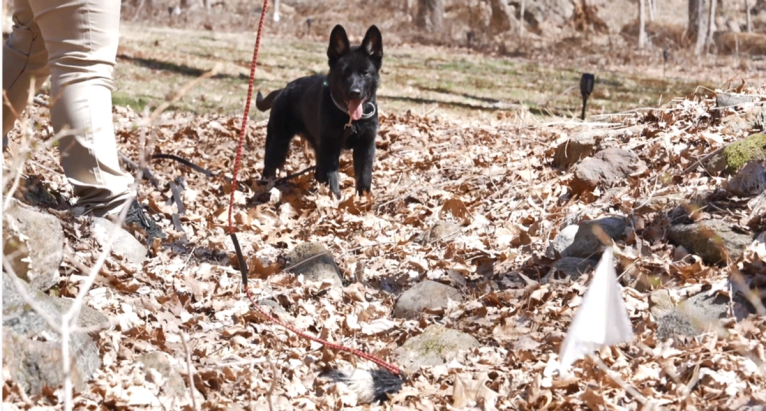
Identifying where the signal activates and where it does not, helping your pet clearly understand the boundary line.
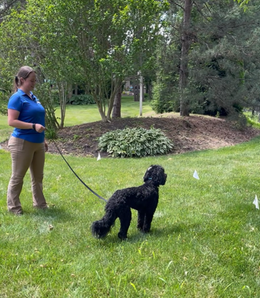
Discovering that your pet’s choices matter-by responding to the cues, your pet can turn the tone & correction on or off, giving them confidence and control.
This lesson continues to strengthen a conditioned response: to confidently retreat into the yard and comfortably using all available space within the boundary.
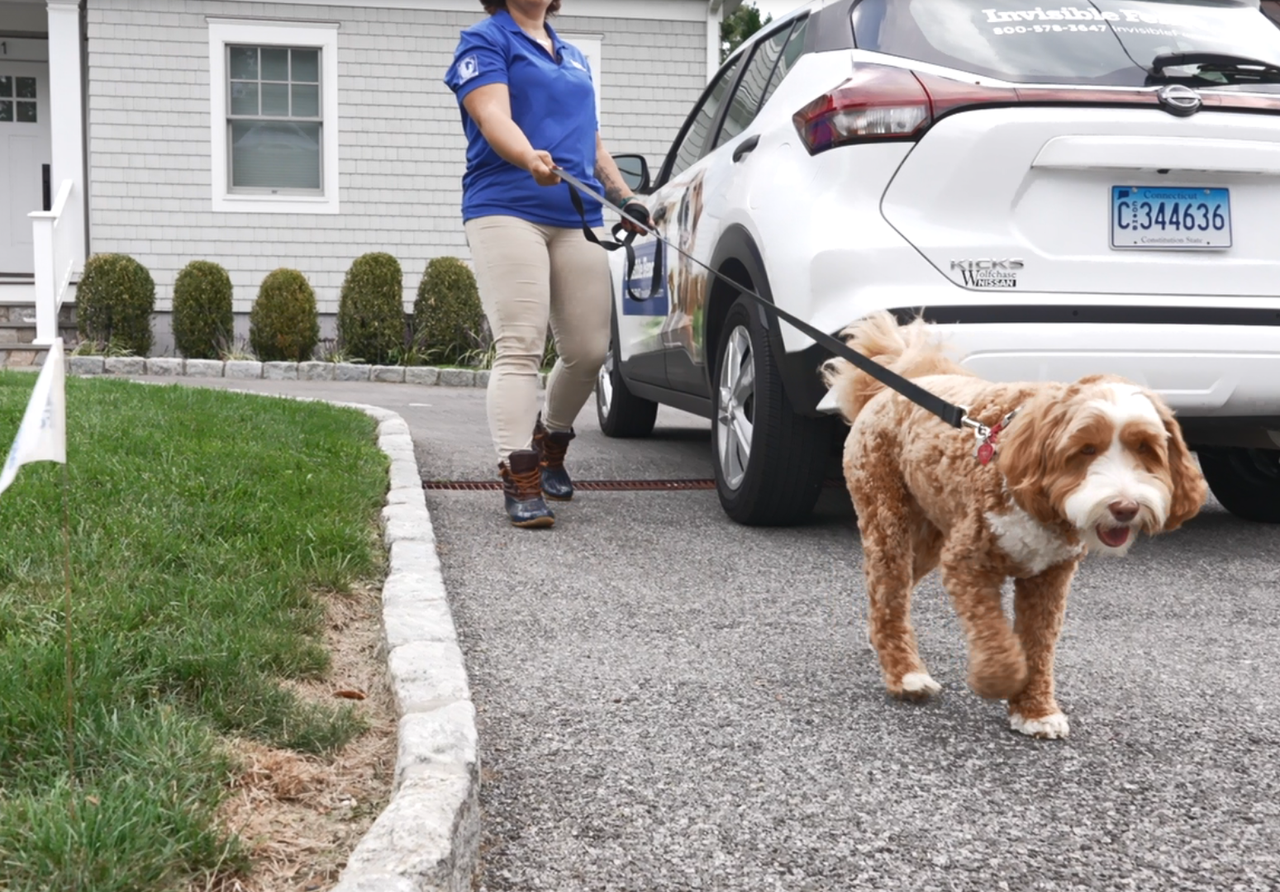
Your pet must be on a leash every time they are outside. Your pet’s correction level is intentionally set low to encourage exploration and learning.
At this stage, your pet is not fully trained or reliably contained. Allowing your pet off leash outdoors can cause confusion, fear of the yard, or result in running through the boundary-putting their safety at risk.
Your pet must remain on a held-leash outside until your next lesson, and your trainer confirms they are ready to advance in training.
1. Balance Play and Learning:
About 90% of outdoor time should be relaxed play, pottying, and exploring within the yard—on leash. The remaining 10% should focus on boundary awareness. Walk your pet in a star or zigzag pattern, supervise ‑real-life distractions, and assist‑ with retreating when needed.
2. Protect the Trust Around the Boundary:
Never pull or call your pet into the signal field, and never intentionally throw toys or treats past it. We want your pet to trust both you and their favorite activities—not associate them with the correction. Focus instead on natural distractions such as sniffing and exploring, wildlife, neighbors, joggers, or walkers.
3. Guide Boundary Encounters:
If your pet enters the signal field, use gentle leash tension to prevent further entry. Allow up to 2–3 seconds of correction if they choose, then calmly guide and call them back into the yard.
4. Reward Good Decisions:
Anytime your pet retreats on their own or with your help-or chooses not to interact with the boundary, reward with enthusiastic praise and play.
5. Indoor Shield® Reminder:
Your Indoor Shields® Solution may have been repositioned to better support your home goals. Continue supervising indoors and allow your pet to choose whether to interact with it. Praise each independent avoidance or retreat.
Proper collar fit is essential for your pet’s safety. The collar should sit high on the neck and must be removed at night, when your pet is crated, and anytime your pet leaves the property. Talk with your trainer to create a collar routine that works best for your family.
During training, always carry or drive your pet off the property. Do not walk your pet across the boundary at this stage. Your trainer will guide you at your next lesson on when, and how, to begin walking across the boundary once your pet is ready to progress.
Can't Remember how to set up your Indoor Shields® Plus Unit or Boundary Plus Smart® Shields Unit? No Worries! Click the video below to review all the key features.
Start seeing real results where it matters most. Our one‑on‑one Manners Obedience Training happens in your home and real-life locations to build lasting behavior and a stronger bond with your dog.
Try your FREE first lesson and experience the difference.
Learn More About Manners Obedience Training